Cirali & Olympos Antalya beach guide for luxury minded families
Cirali Olympos Antalya beach guide for luxury minded families
Çıralı and Olympos share the same long shingle bay on the Antalya coast, yet they feel like different worlds. This Cirali Olympos Antalya beach guide explains how one quiet village suits premium family travelers while the other ancient valley still attracts a younger, backpacking crowd, so choosing between them will shape the rhythm of your entire stay. On this stretch of the Turkish Riviera you move between pine forests, an ancient city hidden in a gorge and a protected nesting ground where sea turtles lay eggs in the sand.
Both villages lie about a half hour detour from the main D400 highway south of Kemer, and the access road drops you from modern Turkey into a slower, almost timeless valley framed by steep hills. Local residents act as hosts rather than corporate managers, and the absence of large hotels means every stay feels personal, which is rare on a Mediterranean shoreline best known elsewhere for big resorts. The distance between Çıralı and Olympos is only 4 km along the shore, yet the time you spend on each side of the headland will give you two very different versions of the same coast.
Çıralı itself is a low key village stretched behind citrus groves and vegetable gardens, with pensions and small guesthouses rather than towers. Olympos hides at the far end of the valley where the river meets the sea, and here the ruins of the ancient city of Olympos rise between trees before the path opens onto the water. Both places sit within the wider Antalya region of Turkey, so you can easily combine a few nights here with refined urban stays in the city; for that contrast, pair this bay with a boutique hotel in Antalya’s historic centre to balance coastal calm with time in town.

Choosing between two villages: calm Çıralı or energetic Olympos
The main difference between Çıralı and Olympos is not the beach but the people who choose each village. In practice, Çıralı offers a quiet, family-friendly atmosphere, while Olympos caters more to backpackers with a bohemian vibe, and that single contrast explains why premium families usually sleep in Çıralı and then treat Olympos as a day excursion. When you read any serious travel guide to this coast, you will see the same pattern repeated in different words.
On the Çıralı side, life revolves around early swims, shaded terraces and long dinners in seafront restaurants where children wander between tables. The atmosphere is gentle and family friendly, and while the accommodation is simple rather than ostentatious, the service level often matches what you expect from a luxury focused Antalya hotel booking website. Olympos, by contrast, still leans into its reputation for treehouse style cabins, communal areas and a younger crowd that keeps the valley lively late into the night.
For travelers who usually book five star Antalya city stays or high end resorts in Belek, Olympos can feel charming but basic. Many properties sit back in the pine forests near the river, and the path to the sea runs through the ruins Olympos is famous for, so the experience is more about atmosphere than amenities. In Çıralı, family friendly options such as Canada Hotel & Bungalows, Kimera Lounge and Cirali Hera Hotel offer pools, gardens and interconnecting rooms, which is why many parents choose the village as a quieter base and then dip into Olympos for a change of pace.
The shared beach: where to swim, shade and watch turtles
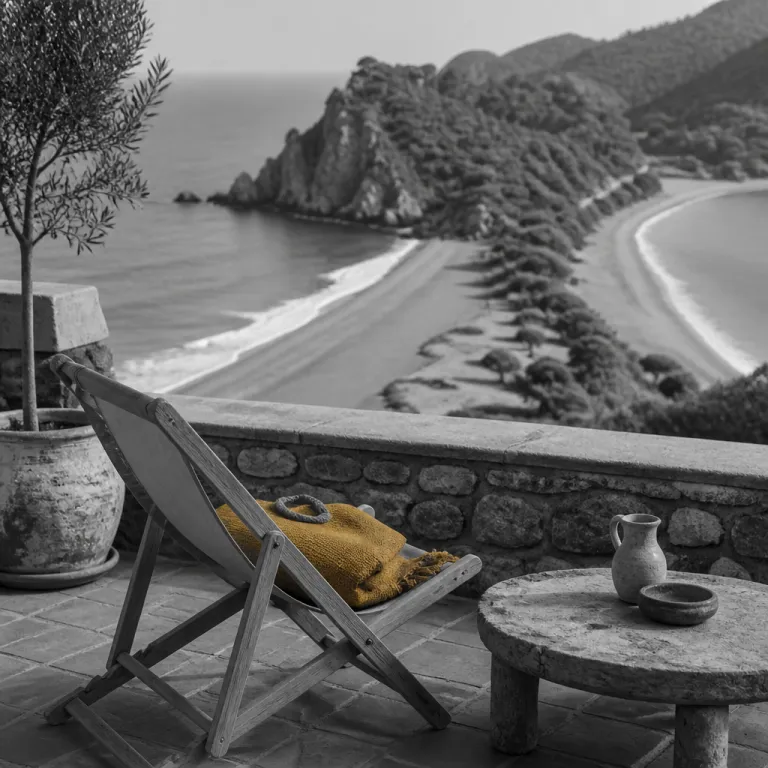
Çıralı Beach runs for roughly 3 km along the same bay, with Çıralı at one end and Olympos at the other. The Cirali beach section closest to the village is usually the stretch best suited to families, because the water entry is more gradual and sunbeds are spaced sensibly in front of small cafés and restaurants. Walk south along the shore and the scenery becomes wilder, with the ancient ruins of the city of Olympos appearing behind the shingle before the valley narrows.
This entire stretch of coast is part of a protected zone where Caretta caretta turtles lay eggs between roughly May and late August, and you will see marked nests in the sand reminding visitors to keep their distance. The protection status is the main reason there are no large hotels right on the beach, which suits travelers who prefer a quieter sea and darker skies at night. When you compare beaches across Turkey, this combination of an ancient city, nesting turtles and pine forests dropping almost to the water is rare.
Families should know that the shingle can be hot by midday, so water shoes help small feet, and the best time for swimming is usually morning or late afternoon when the sun softens. On the Olympos side the backdrop of cliffs and the entrance through the Olympos ruins make every swim feel theatrical, though shade is limited until the afternoon. Lifeguards are present on the main Çıralı section in high season, and if you are pairing this valley with a golf focused stay on the coast you can still return here for a slower, more elemental relationship with the sea.

History, hiking and the flames of Yanartaş
Beyond the beach, this Cirali Olympos Antalya beach guide would be incomplete without the ancient layer that defines the valley. Olympos was once a significant Lycian city, and today you wander along a riverbed past sarcophagi, arches and half collapsed walls where fig trees grow through stone, creating one of the most atmospheric ancient ruins on the Turkish coast. The Olympos ruins are not manicured like a museum; they feel lived in by the forest, which is exactly why many travelers rank them among the best archaeological experiences in Antalya.
From Çıralı, a well marked hiking trail climbs to Yanartaş, the hillside where natural gas seeps from the rock and burns in small, steady flames. The walk takes around a half hour from the upper car park, longer if you start at sea level, and the time you choose matters because the best time to visit is usually between sunset and around 10 pm when the fire glows against the dark. Bring a torch, wear proper shoes and remember that this is still a sacred place in local mythology, so treat it with the same respect you would give any ancient site in Turkey.
Serious hikers can also connect sections of the Lycian Way, the long distance route that threads along this coast and links Çıralı with other villages and beaches. Parts of the trail pass through pine forests with views down to the sea, and the combination of blue water and rugged cliffs explains why this region has become a reference point for walking holidays. Whether you stay in Çıralı or Olympos, the time you spend on these paths will balance the hours on the beach and give children a tangible sense of how an ancient city once controlled this bay.

Practical planning: access, dining and how long to stay
Reaching Çıralı and Olympos is straightforward once you understand the layout of the Antalya coast. From the city of Antalya you follow the main highway towards Kumluca for about 75 km, then turn off at the signed junction and wind down a side road that eventually splits, with one branch leading to Çıralı and the other to the city Olympos once occupied. The drive from Antalya usually takes around one and a half hour depending on traffic, and private transfers arranged through your hotel booking platform will be the most comfortable option for families.
Within the valley, access between the two villages is either by car on a rougher inland track or on foot along the beach, and that 4 km walk is one of the simple pleasures of staying here. Many visitors ask whether a day trip is enough, but the honest answer is that an overnight stay changes your relationship with the place, because you experience the quiet mornings and the dark, starry nights when the sea feels almost private. The best time to plan a longer visit is outside the hottest weeks of summer, when the water is still warm but the hiking trail to Yanartaş and the paths through the ruins Olympos are more comfortable.
Dining is concentrated in Çıralı, where seafront restaurants grill fresh fish, serve simple meze and welcome children without fuss, while Olympos has more casual spots that cater to its younger, international crowd. For premium families, Çıralı offers the more coherent base, with easy beach access, quieter nights and a layout that lets older children walk safely between the sea and the village. Use this Cirali Olympos Antalya beach guide as a framework, then layer in your own priorities, whether that is time in Antalya’s urban hotels, more beaches along the coast or a deeper dive into Turkey’s Lycian heritage.
FAQ
What is the main difference between Çıralı and Olympos for families ?
Çıralı is generally more family friendly, with quieter evenings, seafront pensions and restaurants that cater naturally to children. Olympos has a livelier, more bohemian feel, with treehouse style cabins and communal areas that appeal to younger, budget focused travelers. Premium families usually stay in Çıralı and visit Olympos during the day for the ruins and the different atmosphere.
How do you travel between Çıralı and Olympos ?
The two villages are linked by a 4 km walk along the same beach, which most visitors cover in about an hour at a relaxed pace. There is also a rough inland track for vehicles, but many travelers prefer the shoreline route because it combines sea views with easy access to both ends of the bay. Walking is safe in daylight, though you should bring a torch if you plan to return after sunset.
Are there historical sites to visit near the beach ?
Yes, the ancient ruins of the city of Olympos sit directly behind the southern end of the beach, and the entrance path to the sea passes through arches, tombs and old stone walls. This makes swimming here a very different experience from other beaches in Antalya, because you move from ancient city to clear water in a few minutes. The site is informal and partly overgrown, so wear proper shoes and allow time to explore.
Is Çıralı Beach suitable for young children ?
Çıralı Beach is shingle rather than sand, but the entry into the water is relatively gentle on the central section near the village. Families often bring water shoes for children and choose sunbeds close to cafés and restaurants for easy breaks. The overall atmosphere is calm, and the protected status of the coast keeps noise and light pollution low at night.
When is the best time to visit Çıralı and Olympos ?
The shoulder seasons around late spring and early autumn are usually the best time to visit for comfortable temperatures and warm sea water. These months are also ideal for walking the nearby sections of the Lycian Way and hiking to Yanartaş without intense heat. If you travel in high summer, plan beach time early and late in the day and use the middle hours for shaded meals or rest.