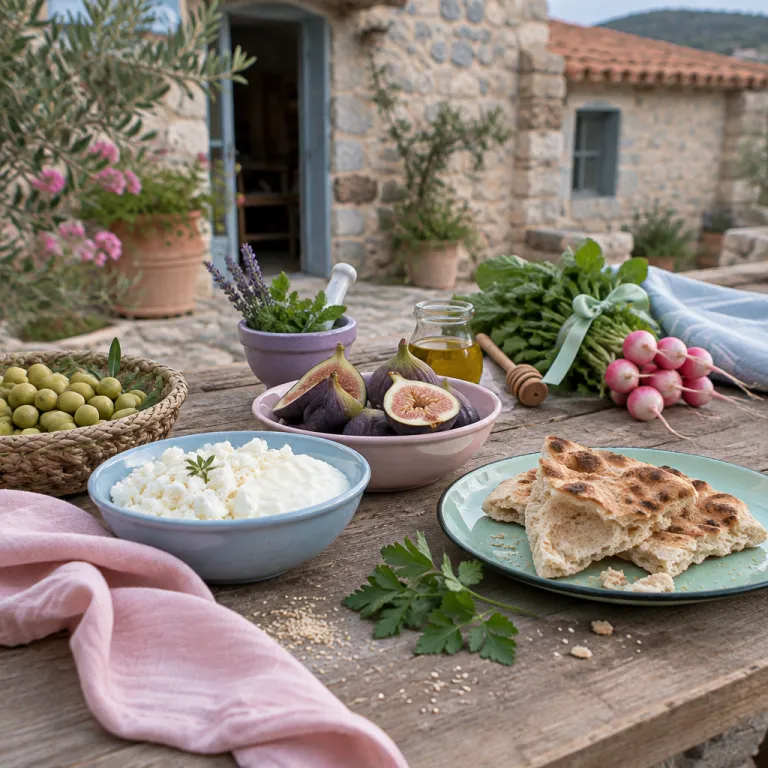
From resort buffets to antalya agritourism farm to table plates
Antalya’s shoreline still sells the classic resort fantasy, yet a quieter antalya agritourism farm to table movement is reshaping how luxury travelers eat. In the hills north of the city, agriculture shapes daily life, and that rural rhythm is slowly guiding tourism hospitality away from anonymous buffets toward named farmers, traceable crops, and seasonal production that actually tastes of place. For a solo explorer or couple who values sustainable tourism and flavor equally, this is where the trip becomes personal rather than packaged.
Here, agritourism is not a copy of rural tourism in Italy or any other Mediterranean state ; it is a regional response to Antalya’s own agro landscape of citrus groves, pomegranate orchards, and goat pastures threaded between the Taurus Mountains. Local communities run small farm guest experiences where you walk the land with the family, talk about land management and risk assessment for their crops, then sit at a long farm table while pans of slow cooked beans arrive straight from the wood stove. This is antalya agritourism farm to table in practice, not as a marketing slogan but as a form of tourism development that keeps business and agricultural management decisions in village hands.
For luxury and premium hotel guests, the shift shows up first on the plate, then in the itinerary. A coastal property that takes tourism agriculture seriously will name the farm supplying its olive oil, explain which crop came from which valley, and sometimes arrange a half day visit so guests can see sustainable agriculture rather than just read about it on a menu. When you book through a curated platform focused on antalya agritourism farm to table stays, you are effectively choosing a supply chain where travel tourism money flows back into rural development instead of stopping at the resort gate.
What agritourism looks like in Antalya’s hinterland
Drive thirty minutes north from Konyaaltı Beach and the scenery shifts from marinas to greenhouses, from jet skis to tractors, and this is where agritourism in Antalya begins to feel real. In these rural districts, agricultural production is not a staged show for tourism ; it is the primary business, with citrus crops, vegetable tunnels, and small farm dairy sheds forming a patchwork between pine forests. When hotels partner with these farms thoughtfully, rural tourism becomes a tool for sustainable tourism rather than a distraction from it.
A typical antalya agritourism farm to table morning might start with a guided walk through rows of tomatoes and peppers, where a farmer explains how water management, soil health, and crop rotation keep their agriculture resilient. You might help pick a single crop for lunch, then move to the outdoor kitchen where a village host turns those vegetables into a simple stew, while goat cheese and olives from neighboring farms appear on the farm table beside still warm flatbreads. This is agri tourism stripped of gimmicks, grounded instead in tourism agriculture that respects both the land and the people who work it.
For travelers used to the polished food geography of Italy, Antalya’s version feels more direct, less choreographed, and that honesty is part of its appeal. You taste the difference between greenhouse tomatoes from the coastal plain and mountain herbs from higher north slopes, and you start to understand why tourism development that supports local communities must protect these regional variations. To go deeper into how the city’s neighborhoods connect to this food web, read the insider guide to where locals actually live in Antalya and then plan your own route from apartment blocks to orchards.
From citrus groves to hotel kitchens: how the region’s produce shapes the table
Antalya’s culinary identity begins in its fields and orchards, long before a chef plates anything for a hotel guest. Along the coastal plain, agricultural businesses focus on high volume crops such as oranges, lemons, and greenhouse vegetables, while higher rural zones lean into hardy crops like olives, figs, and mountain herbs that thrive in stony soils. When luxury hotels commit to antalya agritourism farm to table sourcing, they effectively turn this regional mosaic into a living pantry.
In practice, that means breakfast tables lined with citrus marmalades made from a single farm’s harvest, olive oil pressed in a nearby cooperative extension mill, and cheeses from small farm dairies in the Taurus foothills. Many properties now treat their kitchen as a kind of informal university agritourism classroom, where staff explain which department of agriculture regulations apply to certified organic labels and how their own supply chain reduces transport distances. If you care about sustainable agriculture, these conversations matter as much as the taste of the tomatoes on your plate.
Some hotels go further, planting estate gardens that function as on site agro laboratories for new varieties and seasonal production planning. Here, chefs and gardeners work together on land management decisions, balancing aesthetic landscaping with serious tourism agriculture goals such as soil regeneration and water efficient irrigation. For a deeper sense of how these ingredients translate into meals across the city, the guide to eating your way through Antalya’s food geography is an essential companion to any antalya agritourism farm to table stay.
Hotels leaning into gardens, provenance and slow travel
Not every luxury property along this coast is interested in antalya agritourism farm to table experiences, but a growing cluster is quietly rewriting what high end tourism hospitality looks like. These hotels treat their grounds as more than decorative lawns, carving out space for herb beds, citrus groves, and vegetable plots that feed the kitchen and anchor conversations about sustainable tourism. For solo travelers who read sustainability as provenance rather than just certification, this shift feels both credible and satisfying.
Behind the scenes, serious agricultural management work supports the romance of eating under the vines. Teams handle crop planning, risk assessment for weather extremes, and coordination with regional suppliers so that the on site garden complements rather than replaces purchases from nearby farms. This is where tourism development intersects with business pragmatism, because a hotel that understands its own micro supply chain is better placed to support local communities and maintain consistent quality.
Some properties collaborate informally with a university institute or a center for sustainable agriculture research, inviting agronomists to advise on soil health, water use, and land management best practices. Others look to models from university agritourism programs in Italy or the United States, adapting ideas about rural tourism and cooperative extension outreach to Antalya’s specific context. If you are planning a stay, look for menus that name producers, ask how often the chef visits nearby farms, and check whether breakfast — ideally a serious spread like those in this guide to where to take breakfast seriously in Antalya — changes with the seasons.
Folding farm visits into a coastal stay
For many travelers, the question is not whether antalya agritourism farm to table sounds appealing, but how to fit it between beach time and old town walks. The good news is that Antalya’s geography makes half day rural tourism excursions remarkably easy, with working farms often less than 25 kilometres from major resort zones. You can swim in the morning, then be tasting goat cheese under a mulberry tree by late afternoon.
The most seamless options are those arranged directly through your hotel, where tourism hospitality teams already understand which farm partners can handle small groups without disrupting daily agricultural production. A well managed visit might include a short tour of crops in the field, a simple cooking session with a village host, and a shared meal at a long farm table before you return to the coast at sunset. This kind of agri tourism respects both the farm’s business needs and your desire for an unhurried, authentic experience.
If your property does not yet offer such programs, specialized travel tourism agencies focused on sustainable tourism can help curate day trips that align with your values. They often work with regional networks supported by the department of agriculture or local cooperative extension offices, ensuring that tourism agriculture income supports long term development rather than one off appearances. When evaluating options, ask how many farms are involved, whether any are certified organic, and how the supply chain is structured so that local communities benefit fairly from each visit.
Who this agritourism turn really suits
Antalya’s quiet shift toward antalya agritourism farm to table experiences is not designed for every traveler, and that is precisely its strength. If you want non stop entertainment and never plan to leave the resort, rural tourism will probably feel like an unnecessary detour. But if you travel to understand how places actually work, these farm visits and village kitchens offer a rare, grounded perspective.
Solo explorers and couples tend to get the most from this style of tourism, because smaller groups can slip more easily into the daily rhythm of a small farm or village household. You have time to ask about crop choices, to listen as a farmer explains how climate patterns from the north affect their harvest, and to see how tourism development can either support or strain local communities. In these conversations, sustainable agriculture stops being an abstract phrase and becomes a set of decisions about seeds, water, and markets.
Travelers with a professional interest in agriculture, business, or environmental management often find extra layers of meaning here. Some come from a university background, perhaps linked to a university institute or a center for sustainable tourism, and use their holiday to observe how tourism agriculture functions in a different state or region. Others simply appreciate that their travel tourism choices — where they sleep, what they eat, which farms they visit — can reinforce a supply chain that keeps Antalya’s landscapes productive, resilient, and delicious for the long term.
FAQ
Is agritourism in Antalya suitable for solo travelers?
Agritourism in Antalya works very well for solo travelers who enjoy meaningful interaction and flexible schedules. Small group farm visits and village kitchen lunches make it easy to meet local hosts without feeling overwhelmed. When booking, choose operators or hotels that limit group size and clearly explain how long you will spend on the farm.
How far are the farms from Antalya’s main coastal hotels?
Most working farms that welcome visitors are between 15 and 40 kilometres from Antalya’s main coastal districts. Travel time usually ranges from 30 to 60 minutes by car, depending on traffic and mountain roads. Many luxury hotels can arrange private transfers so you can fit a farm visit into a half day without rushing.
Do I need agricultural knowledge to enjoy a farm to table experience?
You do not need any background in agriculture to enjoy these experiences, because hosts explain everything in accessible language. Curiosity is more important than expertise, and simple questions about crops, seasons, or recipes often lead to the best conversations. If you do have a professional interest, let your guide know so they can tailor explanations.
How can I tell if a hotel really supports local farms?
Look for menus that name specific farms, seasonal dishes that change regularly, and staff who can explain where key ingredients come from. Ask whether the hotel visits those farms regularly and if any suppliers are certified organic or part of local cooperatives. Properties that take these questions seriously usually have stronger, more transparent relationships with producers.
Can agritourism experiences fit into a short Antalya stay?
Even on a two or three night stay, you can usually fit one half day farm visit or a long farm table lunch into your schedule. Prioritize experiences close to your hotel and avoid overloading your days with back to back activities. A single, well chosen rural visit often leaves a deeper impression than multiple rushed excursions.